
Today we’re diving into a crucial topic: SEO for new website, It’s a Guide for building no-code websites swiftly. Remember, this is first part of our practical SEO Series, Launch strong in search rankings with this foundational blueprint.
Step 1: Choose Your Domain Strategically
Choosing the right domain name is one of the most important ways to build trust and visibility online. It’s more than just your website’s address, it anchors your brand identity, fuels marketing, and supports your long-term SEO for new website.
- Opt for a short, memorable name (e.g.,
yourbrand.com) that reflects your niche. - Prioritize
.comextensions and avoid hyphens/numbers.
See this guide on building a brand from scratch for ideas on aligning your domain name with your brand strategy.
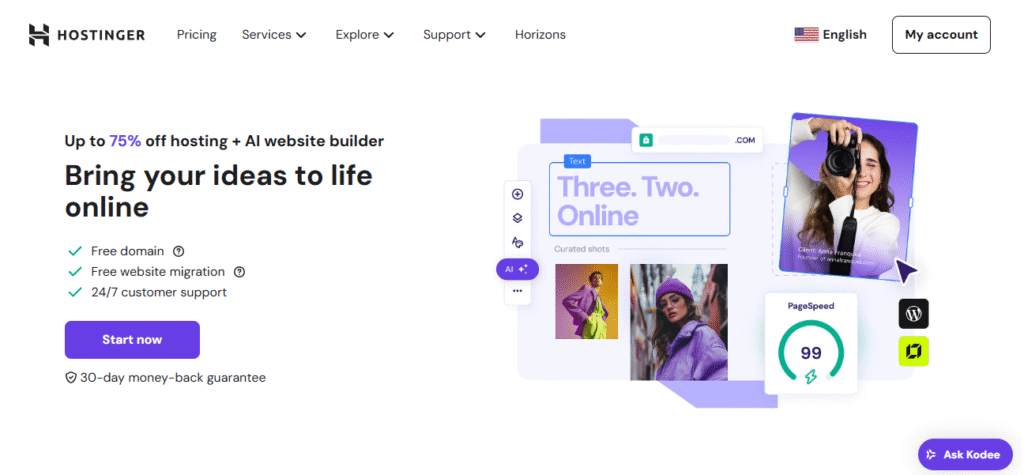
Get a 20% discount and up to 30% commissions on Hostinger plans
Referral Link
Discover how to turn your passion for seo new website into a money-making opportunity with Hostinger. Thanks to our referral code, you can invite your friends to purchase a hosting plan, granting them a 20% discount. At the same time, you’ll receive a commission of up to 30% for Cloud and VPS plans, while for Web Hosting plans the commission is 20%. Share your special link right away and start earning!
Your referral link:
https://hostinger.com?REFERRALCODE=VHBSIFELIMES
Read More : choosing the best domain name for your website
Step 2: Build Your seo new website Foundation – 3 Essentials
- SSL Certificate
- Non-negotiable for security and trust. Look for the padlock icon in browsers.
- Boosts rankings and protects user data.
- Mobile-First Design
- Google prioritizes mobile-friendly sites. Test yours with Google’s Mobile-Friendly Test.
- Use responsive design and minimize pop-ups.
- Speed Optimization
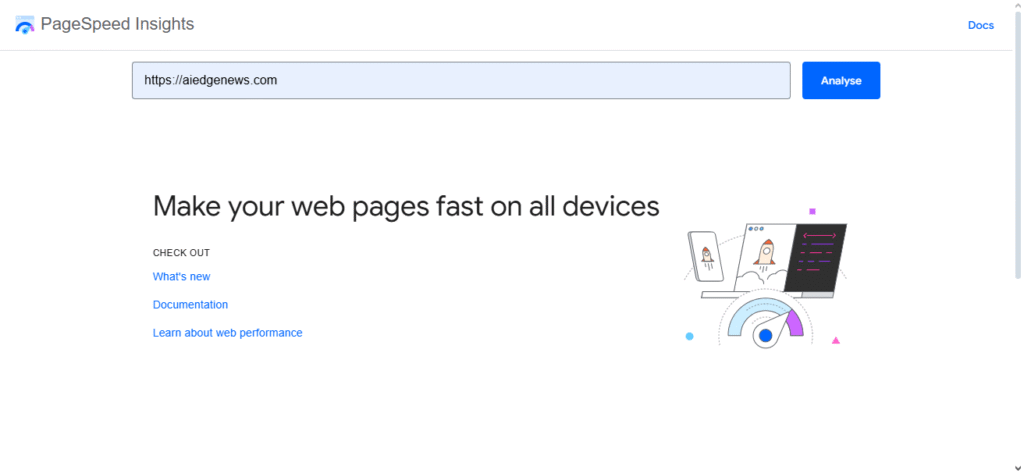
- Fast load times improve UX and rankings. Audit with Google PageSpeed Insights.
- Compress images, leverage caching, and minimize code.
Step 3: Structure Your Site & URLs
- Logical Hierarchy Example:
Homepage → Services → Blog → Contact - URL Best Practices:
- Use clear, keyword-rich paths (e.g.,
/blog/seo-tips). - Avoid dynamic parameters (
?id=123).
- Use clear, keyword-rich paths (e.g.,
- Audit Regularly:
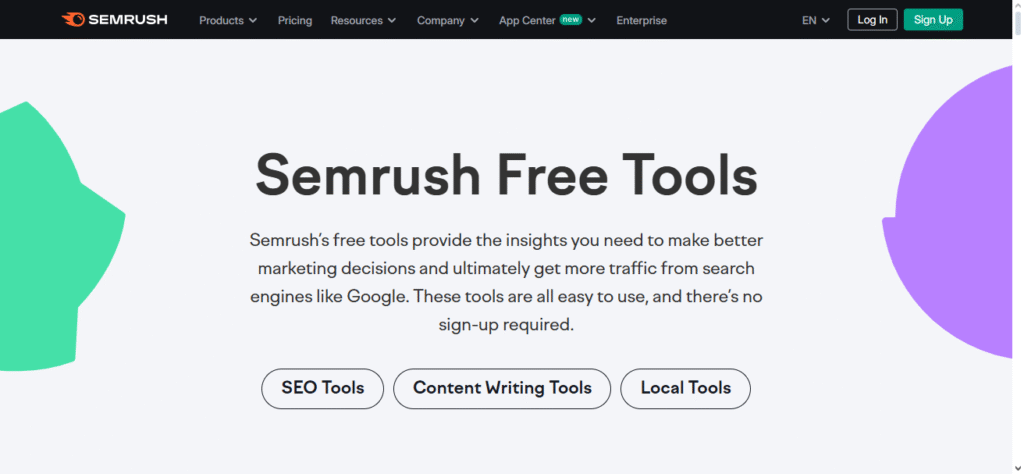
Use tools like Semrush to crawl your site and fix errors (404s, broken links).
Read More : choosing the best domain name for your website
Step 4: Set Up Tracking Tools
SEO for new website
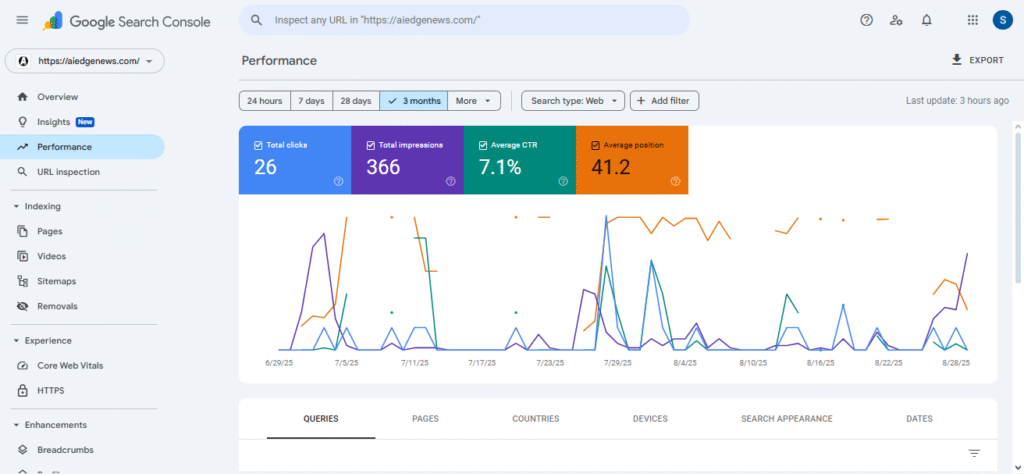
Use tools such as Google Search Console, Bing Webmaster Tools, or Moz to keep track of your SEO rankings. After 4-6 months, you should begin to see an increase in your search engine impressions. Over the next few months, these impressions should translate into clicks, which you can within your SEO tools and also your web analytics.
Now, you are able to optimize your content to make improvements, rise up the rankings, and serve your target audience.
Why Prioritize Content Creation Over Off-Page SEO?
Off-page SEO involves actions taken outside your website to influence search engine rankings. While opinions on its importance vary within the SEO community, we believe that dedicating time and resources to creating valuable content for your target audience yields greater benefits for your business and seo for new website
Quality content establishes your brand as a trusted source, attracting and engaging users, and encouraging return visits and content sharing. While off-page SEO tactics may offer short-term gains, content creation fosters long-term relationships and organic growth. By focusing on relevant content creation, we have achieved better results that scale compared to relying on off-page SEO strategies.
- Google Search Console (GSC):
Monitor search performance, indexing, and technical issues.
- Google Analytics 4 (GA4):
Track user behavior and traffic sources. - Integration: Connect GSC + GA4 to SEO platforms (e.g., Semrush) for unified insights.
Read More : how to actually rank 1 on google seo guide
Step 5: Keyword Research Strategy
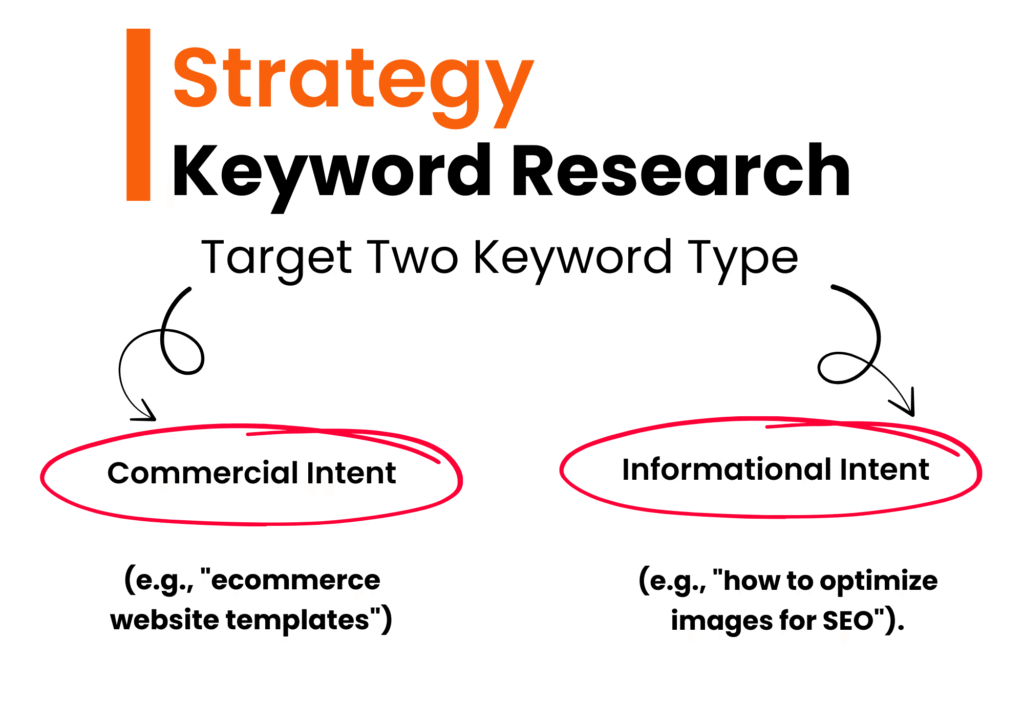
A successful SEO strategy isn’t just about finding popular words; it’s about understanding the intent behind those words and strategically targeting the ones that align with your business goals. This step involves moving beyond a simple list of keywords to building a structured plan that attracts the right users at the right stage of their journey. Your strategy should explicitly target two primary types of search intent: Commercial and Informational.
- Target Two Keyword Types:
– Commercial Intent: Product/service terms (e.g., “ecommerce website templates for new website”).
Where to Learn More About Commercial Intent:
- Moz’s Comprehensive Guide: Commercial Intent Keywords Guide: How to Find and Rank For Them9
- ClearVoice’s Breakdown of Search Intent: Commercial, Informational, Navigational, and Transactional Keywords10
- DashClicks’ Ultimate Guide: Commercial Intent Keywords: The Ultimate Guide for Marketers
– Informational Intent: Blog topics (e.g., “how to optimize images seo for new website“)
Informational intent keywords are queries used by users who are seeking knowledge, solutions, or guidance. They are at the top of the marketing funnel, in the “awareness” or “discovery” stage. Their goal is to learn, not to buy—yet
Pro Tip: Use SEO tools to find question-based keywords (“best time to publish blog posts”).
Identify and target a specific keyword phrase for each authoritative content page on your website. Think about how your reader might search for that specific page with search terms like:
- online masters in engineering management
- what is biomedical engineering?
- title IX education resources
- photographing northern lights
- how to apply for scholarships?
- when is the FAFSA deadline?
- what is the difference between engineering and engineering technology?
Step 6: Competitor Keyword Analysis for new website
- Identify 3–5 competitors in your niche.
- Use SEO tools to find:
- Keywords they rank for.
- High-opportunity terms you’re missing.
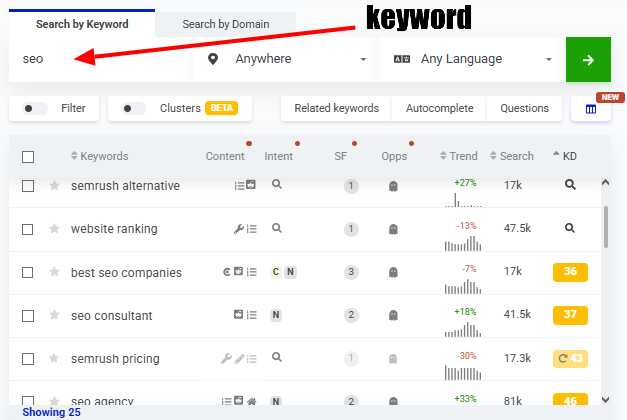
- Target 100–200 relevant keywords with low difficulty:
example : To get started, type sEO into KWFinder.
- First, sort by keyword difficulty score.
- You have to click KD twice.
- Now you’re sorting to see low competition keywords first.
Step 7: Content & On-Page Optimization
- Landing Pages:
- Include keywords in H1, title tags, URLs, and meta descriptions.
- Use headers (H2/H3) and structured data.
- Blog Posts:
- Target 15–20 keywords per pillar topic.
- Publish 2+ expert articles weekly.
- Optimization Tools:
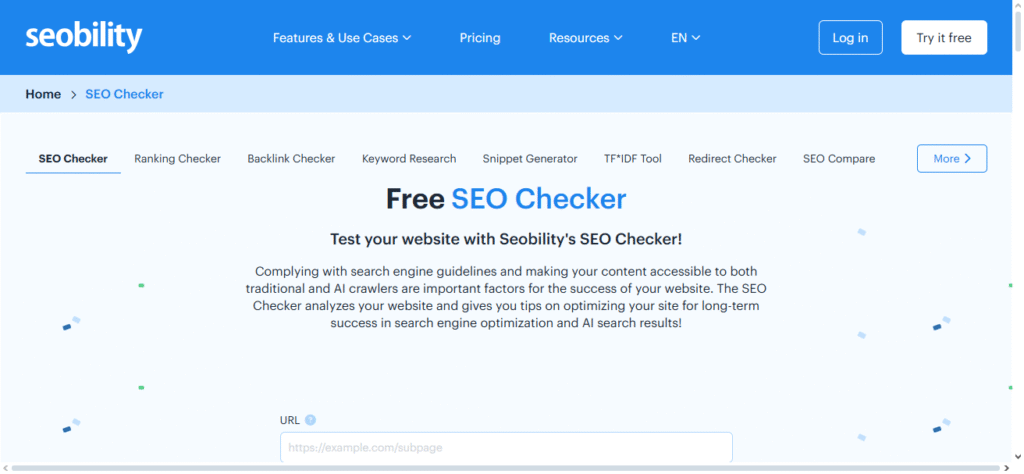
Use on-page checkers to prioritize fixes by traffic potential.
Step 8: Link Building Tactics
- Local Citations:
List your business on directories (Google Business Profile, Yelp). - Press Releases:
Announce milestones to earn backlinks from news sites. - Industry Relationships:
Collaborate on guest posts, webinars, or co-marketing with niche influencers.
Golden Rule: Prioritize quality over quantity (authority > random links).
Conclusion
We’ve covered domain selection, foundational SEO, site structure, keyword research, content planning, and link building – all using FREE TOOLS and all for seo for new website.
Ready to accelerate your SEO? send to our email and fell free to ask anything you want, we are here to help you anythime
Read More : Best Free Blogger Templates for AdSense





Leave a Reply