
Landing a job in the U.S. feels like navigating a complex maze. But what if you had a field-tested blueprint? Stop drowning in generic advice. Here’s your strict, phase-by-phase strategy – designed for action, clarity, and victory.
1 : Decoding the U.S. Job Market: AI Trends That Give You an Edge
Know where the opportunities live.
- Target Growth Zones:
- Focus your firepower on Tech (software, cybersecurity, data), Healthcare (nursing, med tech, telehealth), Renewable Energy, and E-commerce. These sectors are actively recruiting.
- Avoid Shifting Sands:
- Traditional retail/manufacturing roles are volatile due to automation. Prioritize stability.
- Location Strategy:
- Big cities offer volume, but REMOTE WORK IS YOUR SECRET WEAPON. Target companies with remote-first policies – geography stops being a barrier.
“Don’t waste ammo on dying fronts. Align your skills with markets that want them.”
2 : U.S. Resume Mastery: Your Ticket to American Job Interviews
Your application must survive the ATS bots and grab human attention.
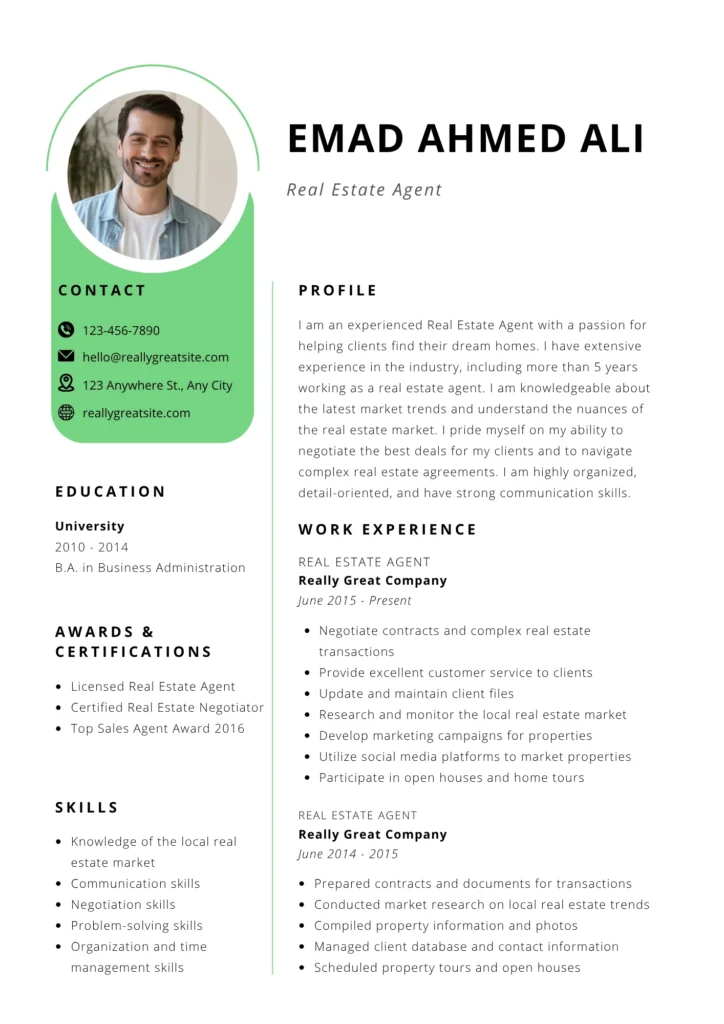
- Resume = Laser-Targeted Missile:
- Format for Combat: One page. Bullet points. Clean sections. White space is your ally.
- Keyword Warfare: Mirror the exact language from the job description. Your resume must pass the AI gatekeepers (Applicant Tracking Systems).
- Impact Over Tasks: “Boosted conversion 25%” crushes “Managed social media.”
- Cover Letter = Your Personal Handshake:
- Hyper-Personalize: Name the hiring manager. Reference a specific company project or value.
- Connect the Dots: “Your need for [X skill] aligns with my success in [Y project].”
- Show Passion (Professionally): Why THIS role at THIS company?
“Generic applications = instant trash can. Tailor or fail.”
3 : The American Digital Handshake: Online Presence Tips for U.S. Job Seekers
Control your narrative before employers Google you.
- LinkedIn is Non-Negotiable:
- Professional Photo: No cropped party pics.
- Keyword-Rich Headline: “Data Scientist | Machine Learning | Driving Predictive Analytics” – not just “Job Seeker.”
- Compelling Summary: Who you help, how you solve problems, key wins.
- Skills & Endorsements: Load it up. Get colleagues to validate.
- Active Reconnaissance & Engagement:
- Follow target companies. Comment intelligently on industry posts.
- Clean Up Personal Social Media: Lock down or purge unprofessional content. Assume employers will look.
*”Your LinkedIn isn’t an online resume; it’s your 24/7 personal PR firm.”*
4 : Networking for U.S. Jobs: How to Build Career-Changing Connection
Landing a job in the U.S. often hinges on who you know—not just what you know. Here’s how to build meaningful connections that open doors:
1. Start with Your Existing Network
Reach out to alumni, former colleagues, or friends working in the U.S. A simple LinkedIn message or email can spark valuable introductions.
2. Leverage LinkedIn Strategically
- Optimize your profile: Highlight skills U.S. employers value.
- Engage thoughtfully: Comment on posts, share insights, and message professionals with personalized requests.
3. Attend Industry Events & Meetups
Virtual or in-person events (via Meetup, Eventbrite, or professional associations) help you meet hiring managers and peers.
4. Master the Informational Interview
Ask professionals for 15-20 minutes to discuss their career path. Most people say yes—this builds relationships organically.
5. Follow Up & Nurture Relationships
Send thank-you notes, share relevant articles, and check in periodically. Networking is about giving, not just taking.
6. Tap into Immigrant & Diversity Networks
Groups like Upwardly Global or The Indus Entrepreneurs (TiE) offer mentorship and job leads for international professionals.
Pro Tip: Be genuine. People help those they trust. Focus on building real connections, not just collecting contacts.
By investing time in networking, you’ll gain insider referrals and opportunities that résumés alone can’t secure. Start today—your next career breakthrough could be one conversation away.
5 : Job Board Hacks: Get Noticed and Get Hired
Work smarter, not harder.
- Choose Your Platforms Wisely:
- General: LinkedIn Jobs, Indeed, Glassdoor (research salaries/culture!).
- Niche: Dice (Tech), Idealist (Non-Profit), Behance (Creative).
- Automate & Optimize:
- SET JOB ALERTS: “Marketing Manager, Remote, USA.” Let opportunities come to you.
- Complete Profiles: Fill out every field on board profiles. More keywords = more visibility.
- Use Platform Tools: Resume builders, company research tabs, interview prep guides.
“Alerts turn reactive searching into proactive hunting. Set them NOW.”
6 : Secure Reinforcements – Leverage Job Centers
Free, expert help is waiting. Use it.
- Government & University Centers Offer:
- Resume Surgeons: Experts who dissect and rebuild your resume for impact.
- Interview Boot Camps: Mock interviews with brutal (but helpful) feedback.
- Access to Hidden Intel: Unadvertised jobs and employer connections.
- Find Your Local Hub:
- Search “[Your City/State] workforce development center” or “[Your University] career services” (alumni access often available!).
“Why stumble alone? These experts exist solely to make you employable.”
7 : Storm the Beachhead – Dominate Job Fairs
Prepare like a general.
- Pre-Fair Recon:
- Research attending companies. Know their open roles and mission.
- Tailor Resume Copies: Have versions slightly angled for top targets.
- Plan Your Attack Route: Prioritize booths. Don’t waste time on mismatches.
- On the Ground:
- Dress for Victory: First impressions are instant.
- Deploy Your Pitch: Confident, concise, ends with a question: “What’s your biggest challenge in [department] right now?”
- Collect Intel (Business Cards): Get names!
- Post-Fair Blitz:
- SEND THANK-YOU EMAILS WITHIN 24 HOURS. Reference your conversation. Connect on LinkedIn immediately.
“Job fairs are sprints, not strolls. Target, engage, follow up – fast.”
8 : How to Build U.S. Work Experience Through Strategic Internships
Breaking into the U.S. job market without local experience can be tough—but strategic internships can bridge the gap. Here’s how to leverage them effectively:
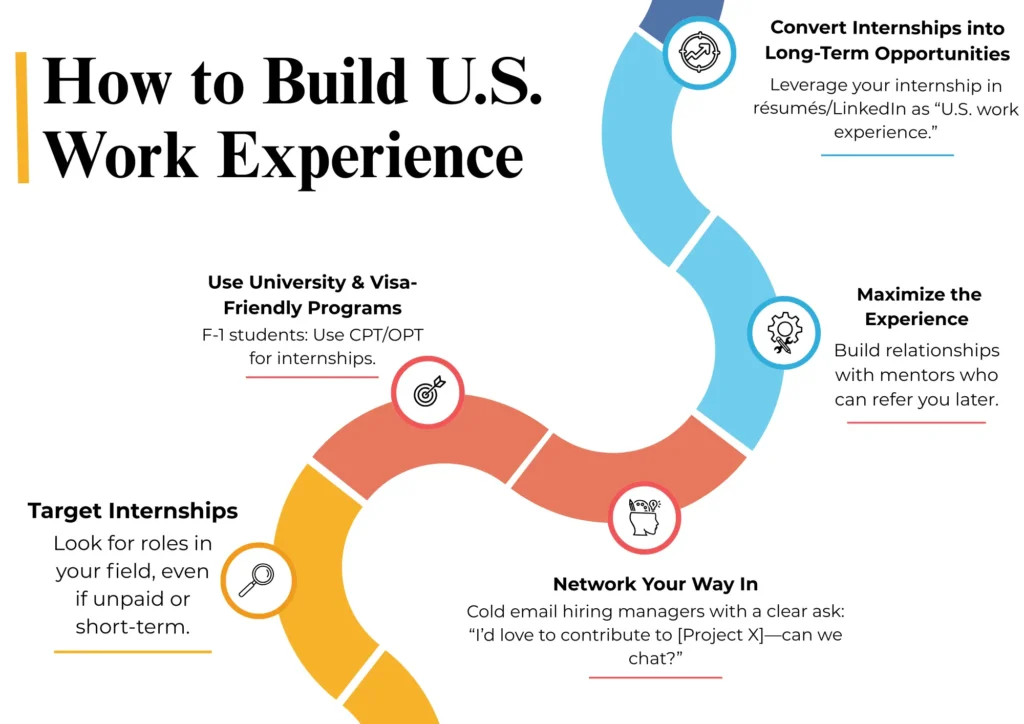
1. Target Internships That Align with Your Career Goals
- Look for roles in your field, even if unpaid or short-term.
- Prioritize companies that hire interns full-time later (check LinkedIn alumni outcomes).
2. Use University & Visa-Friendly Programs
- F-1 students: Use CPT/OPT for internships.
- Non-students: Apply for J-1 internships (via sponsors like CIEE or InterExchange).
3. Network Your Way In
- Cold email hiring managers with a clear ask: “I’d love to contribute to [Project X]—can we chat?”
- Attend career fairs (virtual or in-person) and follow up fast.
4. Maximize the Experience
- Treat it like an extended job interview—overdeliver, document wins, and ask for feedback.
- Build relationships with mentors who can refer you later.
5. Convert Internships into Long-Term Opportunities
- Express interest in full-time roles early.
- Leverage your internship in résumés/LinkedIn as “U.S. work experience.”
Pro Tip: Smaller firms and startups often hire interns faster than big corporations—target them strategically.
Even a 3-month internship can give you the credibility to land a full-time job. Start applying now!
9 : U.S. Interview Domination: How to Command Every Hiring Conversation

Preparation breeds confidence.
- Anticipate & Drill:
- Master answers to: “Tell me about yourself,” “Why us?”, “Greatest weakness?”
- STAR Method is Mandatory: Structure every behavioral answer (Situation, Task, Action, Result).
- Control the Environment:
- Test Tech Early: Virtual interviews demand perfect audio/video.
- Dress +1 Level: Better slightly overdressed than under.
- Body Language Matters: Eye contact (camera for virtual), firm handshake, open posture.
- Ask Commanding Questions:
- “What does success look like in this role in 90 days?”
- “What’s the biggest challenge your team faces right now?”
“An interview isn’t an interrogation; it’s a two-way fit assessment. Lead it.”
10 : The American Follow-Up Formula: How to Seal the Deal After Interviews
The American Follow-Up Formula: How to Seal the Deal After Interviews
Landing a job in the U.S. isn’t just about acing the interview—it’s also about mastering the follow-up. Here’s how to stay memorable and increase your chances of getting hired:
1. Send a Thank-You Email Within 24 Hours
- Subject Line: “Thank You – [Your Name] | [Job Title] Interview”
- Key Elements:
- Gratitude for their time
- A specific highlight from the conversation
- Reaffirm your excitement for the role
- Example:“Hi [Interviewer’s Name], Thank you for the insightful discussion about [specific topic]. I loved learning about [detail] and am even more excited about contributing to [project/team goal]. Looking forward to next steps!”
2. Personalize Each Message
- Mention one unique detail from your talk (e.g., “Your point about [X] really resonated…”).
- If multiple interviewers, send separate emails (no group CCs).
3. Follow Up Strategically If You Hear Nothing
- After 1 week: Polite check-in (“I’m still very interested—any updates?”).
- After 2 weeks: Reiterate enthusiasm + add new value (e.g., “Since we spoke, I [achieved X]—thought you’d find it relevant!”).
- After 3-4 weeks: A final, concise nudge before moving on.
4. Connect on LinkedIn (The Right Way)
- Personalized invite: “Really enjoyed our conversation about [topic]—would love to stay in touch!”
- Engage with their posts to stay on their radar.
5. If Rejected, Stay Professional
- Reply graciously: “I appreciate the opportunity and hope to stay in touch for future roles.”
- Ask for feedback—some hiring managers will help.
Why This Works:
- Shows professionalism & enthusiasm (key in U.S. hiring culture).
- Keeps you top of mind without being pushy.
Pro Tip: Use tools like Boomerang for Gmail to schedule reminders if no reply.
A strong follow-up can turn a “maybe” into a “yes”—don’t leave it to chance!




Leave a Reply